Month: February 2026

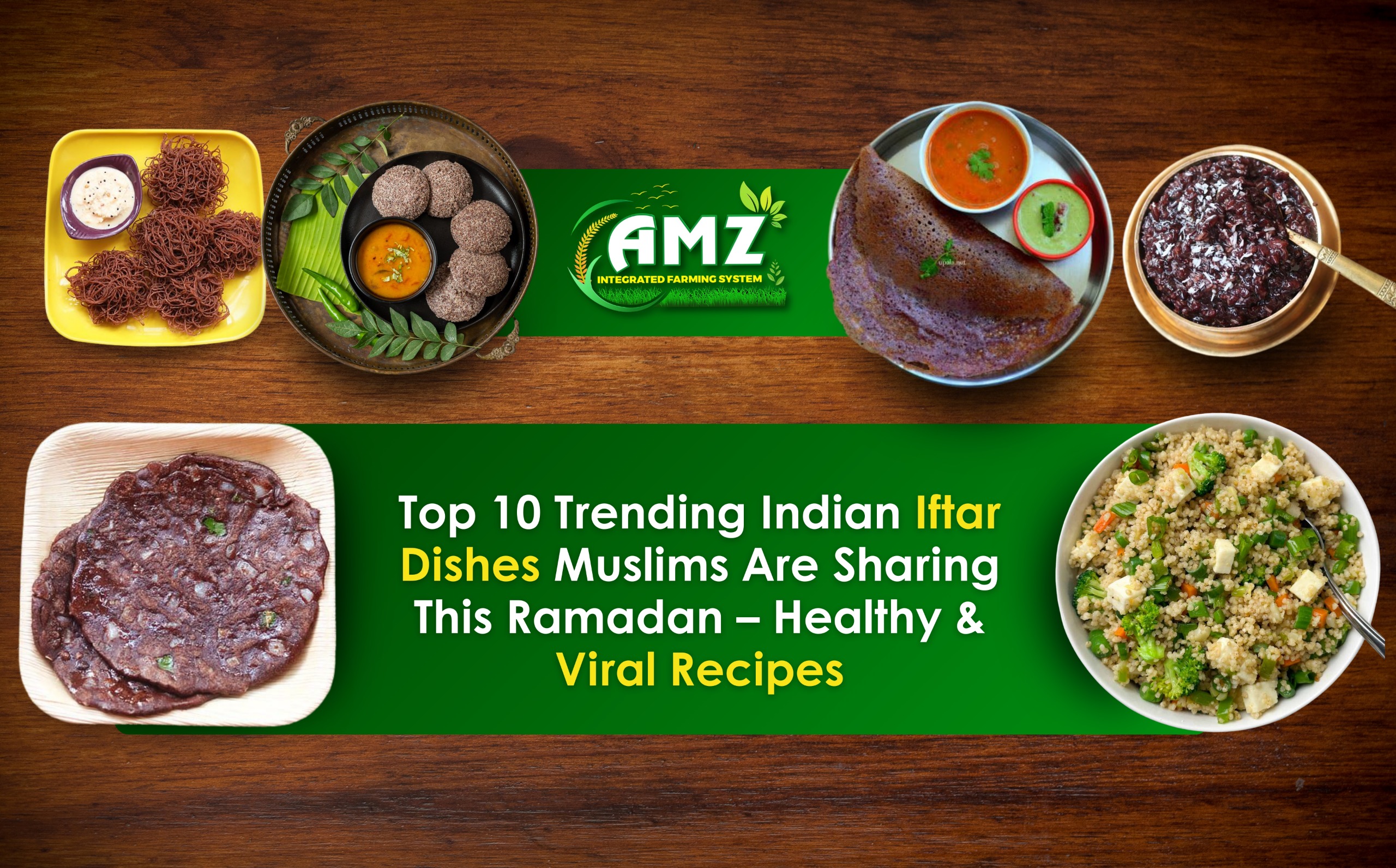
  • Top 10 Trending Indian Iftar Dishes Muslims Are Sharing This Ramadan โ€“ Healthy & Viral Recipes

    Top 10 Trending Indian Iftar Dishes Muslims Are Sharing This Ramadan โ€“ Healthy & Viral Recipes

    Ramadan is a month of spirituality, togetherness, and delicious food. Across India, families are exploring healthy, wholesome, and traditional recipes to break their fast. This year, Trending Indian Iftar Dishes Muslims Are Sharing This Ramadan feature farm-fresh grains, nutritious millets, and organic pulses from amzfarm, making iftar meals both nourishing and flavorful. (amzfarm.com)

    Below are 10 trending Indian iftar recipes using only amzfarm products, perfect for a wholesome and festive Ramadan table.

    ๐Ÿฅฃย  1. Millets Vegetable Upma

    Ingredients:

    amzfarm Mixed Millets (soaked)

    Carrot, peas, beans (fresh)

    Mustard seeds, green chillies

    Curry leaves, lemon, coriander

    Method:

    Heat oil, add mustard seeds and curry leaves.

    Sautรฉ vegetables until tender.

    Add soaked amzfarm millets with water, cook until fluffy.

    Finish with lemon juice and fresh coriander.

    This fibre-rich upma is colorful, nutritious, and energizing โ€” perfect for a healthy start to iftar.

    ๐Ÿ›ย  2. Amzfarm Traditional Rice Biryani

    Ingredients:

    amzfarm Traditional Rice (Basmati or heritage rice)

    Marinated chicken or vegetables

    Whole spices: cinnamon, cardamom, cloves

    Fried onions, fresh mint

    Method:

    Partially cook amzfarm rice with whole spices.

    Layer rice with marinated chicken or vegetables, cook on low heat.

    Garnish with mint leaves and fried onions.

    This aromatic biryani is a festive dish thatโ€™s hearty and full of flavor.

    ๐Ÿฒ 3. Dal Khichdi with Millets

    Ingredients:

    amzfarm Mixed Millets

    amzfarm Moong Dal or Toor Dal

    Turmeric, cumin seeds, ghee

    Method:

    Rinse millets and pulses together.

    Cook with turmeric and salt until soft.

    Add ghee and temper with cumin seeds.

    Khichdi is a comforting, nutrient-packed meal ideal for replenishing energy after fasting.

    ๐Ÿฅ— 4. Sprouted Moong & Millet Salad

    Ingredients:

    Sprouted moong

    amzfarm Millet Flakes

    Tomatoes, cucumber, onions

    Lemon juice, salt, chaat masala

    Method:

    Mix sprouts with chopped vegetables.

    Add crunchy amzfarm millet flakes.

    Season with lemon juice and chaat masala.

    This light salad is refreshing, protein-rich, and perfect for a quick iftar meal.

    ๐Ÿข 5. Grilled Millet & Vegetable Kebabs

    Ingredients:

    amzfarm Millets (cooked)

    Grated carrot, peas, corn

    Spices: cumin, paprika, salt

    Method:

    Mix cooked amzfarm millets with vegetables and spices.

    Shape into patties and grill or bake.

    These kebabs are vibrant, high in protein, and satisfying for a wholesome iftar platter.

    ๐ŸŒพ 6. Mixed Millet Pulao

    Ingredients:

    amzfarm Mixed Millets

    Carrot, peas, beans

    Whole spices: bay leaf, cardamom, cloves

    Method:

    Sautรฉ whole spices, then add vegetables.

    Add amzfarm millets, cook with water until tender.

    This colorful pulao is nutrient-rich and makes a festive main course for Ramadan.

    ๐Ÿšย  7. Jaggery Sweet Millet Ladoo

    Ingredients:

    amzfarm Millet flour

    amzfarm Jaggery Powder

    Cardamom powder

    Method:

    Dry roast millet flour until aromatic.

    Mix with melted amzfarm jaggery and cardamom.

    Shape into ladoos.

    These ladoos are wholesome, energizing, and perfect for a sweet ending to iftar.

    ๐Ÿฅ˜ 8. Millet Dosa Crepes

    Ingredients:

    amzfarm Millets (soaked)

    Rice flakes

    Fenugreek seeds, salt

    Method:

    Blend soaked millets with rice flakes to form batter.

    Ferment for a few hours.

    Cook thin crepes on a hot griddle.

    Serve with coconut or tomato chutney for a light and healthy iftar snack.

    ๐Ÿ› 9. Pulse & Millet Stew

    Ingredients:

    amzfarm Dal Mix

    amzfarm Millets

    Turmeric, garlic, black pepper

    Method:

    Boil pulses with millets until tender.

    Add spices and simmer.

    A hearty, warming stew that replenishes energy and is rich in proteins.

    ๐Ÿฏ10. Sweet Pongal with Millets

    Ingredients:

    amzfarm Millets

    amzfarm Jaggery Powder

    Cardamom, dry fruits

    Method:

    Cook millets until soft.

    Add jaggery syrup and cardamom.

    Garnish with nuts.

    This festive sweet dish is nourishing, flavorful, and perfect for celebrating Ramadan at home.

    ๐ŸŒฟ Why These Recipes Are Trending

    These dishes are popular because they:

    โœ… Use wholesome farm-fresh ingredients from amzfarm
    โœ… Combine tradition with modern health trends
    โœ… Are colorful, flavorful, and visually appealing
    โœ… Easy to prepare while fasting

    ๐Ÿ“Œ Tips for a Healthy Iftar

    Serve dishes with fresh garnishes like coriander or pomegranate.

    Use farm-fresh ingredients from amzfarm for maximum flavor.

    Keep portions balanced for digestive ease after fasting.

    ๐Ÿช” Final Thoughts

    This Ramadan, celebrate Trending Indian Iftar Dishes Muslims Are Sharing This Ramadan with recipes that are wholesome, flavorful, and easy to make using amzfarm products. From millet upma to jaggery ladoos, these dishes combine tradition, health, and festive flair โ€” making every iftar a nourishing and memorable occasion.

    Ramadan Mubarak! ๐ŸŒ™๐Ÿ•Œ

    ย 

    • Why Buying Directly from an Organic Farm Is Better Than Supermarkets (2026 Guide)

      Why Buying Directly from an Organic Farm Is Better Than Supermarkets (2026 Guide)

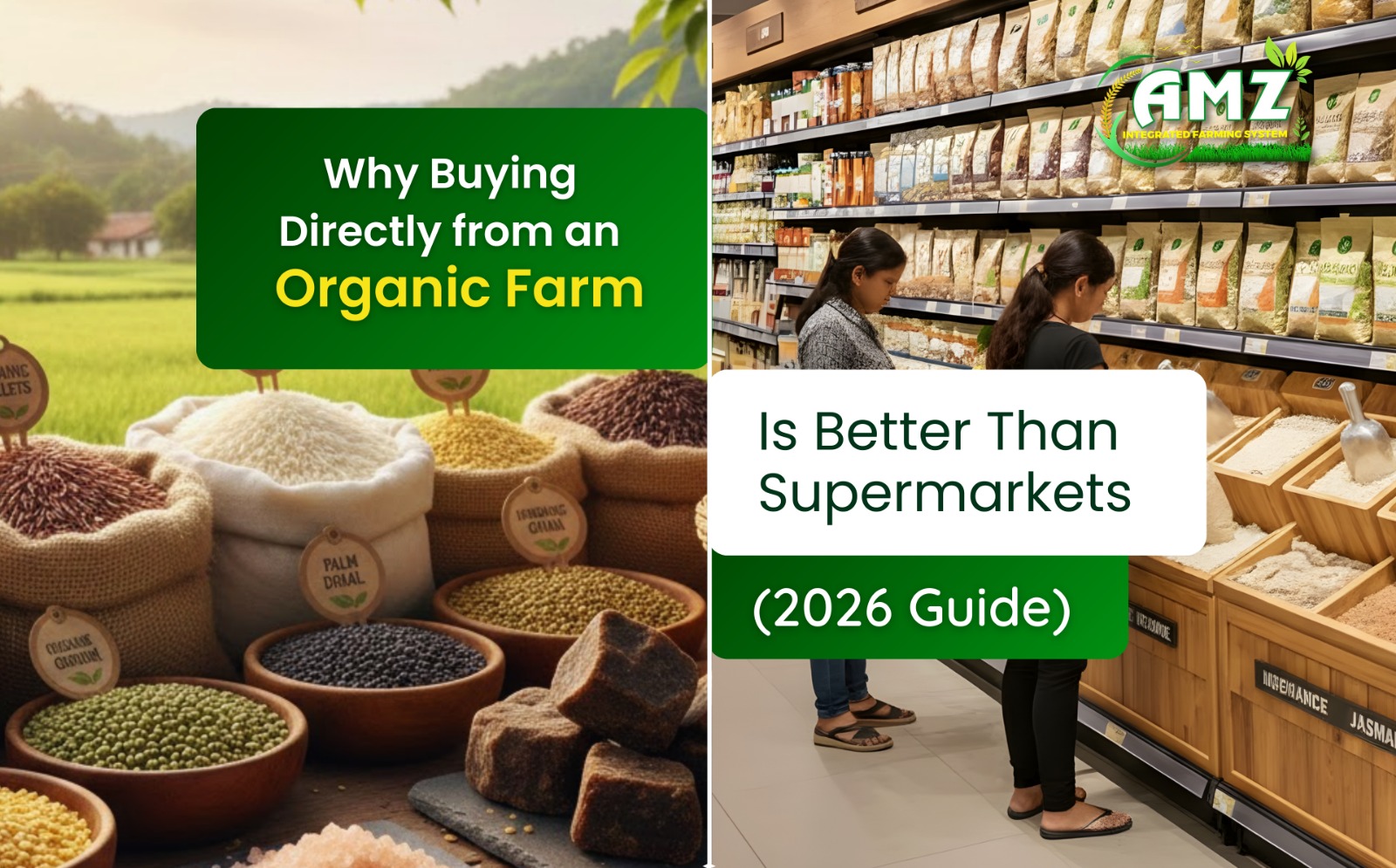
      In 2026, consumers are becoming more aware of what they eat. Rising health concerns, pesticide exposure, and processed food consumption have pushed families to look for healthier alternatives.
      One major shift is buying directly from an organic farm instead of supermarkets.
      Understanding the buying directly from an organic farm benefits helps consumers make smarter food choices for their families.

      1. Freshness That Supermarkets Cannot Match

      Shorter Supply Chain = Higher Nutritional Value

      Supermarket food usually passes through:
      Farmers
      Local aggregators
      Wholesalers
      Distributors
      Retail storage
      By the time it reaches shelves, it may be weeks old.
      When buying directly from an organic farm, the supply chain is shorter. This means:
      Fresher grains and produce
      Higher nutrient retention
      Better taste and aroma
      This is one of the biggest buying directly from an organic farm benefits.

      2. Chemical-Free and Naturally Cultivated Food

      Reduced Exposure to Harmful Pesticides

      Conventional supermarket products may contain chemical residues from synthetic fertilizers and pesticides.
      Organic farming systems focus on:
      Natural composting
      Crop rotation
      Biological pest control
      According to the Food and Agriculture Organization, sustainable farming practices improve soil health and reduce environmental impact.
      Choosing farm-direct food ensures you consume products grown using safer agricultural methods.

      3. Better Quality Traditional Grains & Natural Staples

      Access to Heritage and Nutrient-Dense Foods

      Supermarkets often prioritize fast-selling, mass-produced items.
      Organic farms, especially systems like AMZ Integrated Farming System, promote:
      Traditional rice varieties
      Millets
      Natural health mixes
      Jaggery powder & palm candy
      Dhals and unprocessed grains
      These foods are often minimally processed, preserving:
      Fiber
      Natural minerals
      Authentic taste
      This is another key buying directly from an organic farm benefits that health-conscious families appreciate.

      4. Fair Pricing Without Multiple Middlemen

      How Farm-Direct Purchasing Saves Money

      Each layer in supermarket distribution adds markup costs.
      When you buy directly from an organic farm:
      Fewer intermediaries
      Transparent sourcing
      Better value for money
      You pay for quality โ€” not for excessive retail margins.

      5. Supports Sustainable Agriculture & Farmers

      Strengthening Local Farming Communities

      Buying directly from organic farms supports:
      Small and mid-scale farmers
      Rural employment
      Sustainable land practices
      Systems like AMZ Integrated Farming System focus on balanced agricultural ecosystems, ensuring long-term soil fertility and environmental care.
      This makes your purchase socially responsible.

      6. Higher Transparency & Traceability

      Supermarket labels often provide limited information about:
      Exact farm origin
      Harvest date
      Farming methods
      Direct organic sourcing offers:
      Clear production process
      Trust-based supply
      Greater accountability
      Transparency builds long-term customer confidence.

      7. Eco-Friendly & Lower Carbon Footprint

      Sustainable Supply Chain Advantages

      Shorter logistics reduce:
      Fuel usage
      Cold storage dependency
      Packaging waste
      Buying directly from an organic farm reduces environmental impact compared to conventional supermarket chains.

      Conclusion โ€“ A Healthier & Smarter Food Choice

      Understanding the buying directly from an organic farm benefits makes it clear why more consumers are shifting toward farm-direct purchasing.
      From:
      Better freshness
      Higher nutritional value
      Chemical-free cultivation
      Fair pricing
      Sustainable farming
      Buying directly from an organic farm is not just a trend โ€” it is a conscious lifestyle decision.
      Systems like AMZ Integrated Farming System reflect this approach by encourage integrated, natural, and sustainable agricultural practices.

      • Organic Grains vs Conventional Grains โ€“ What Science Says & Why AMZ Farms Chooses Pure, Natural Nutrition

        Organic Grains vs Conventional Grains โ€“ What Science Says & Why AMZ Farms Chooses Pure, Natural Nutrition

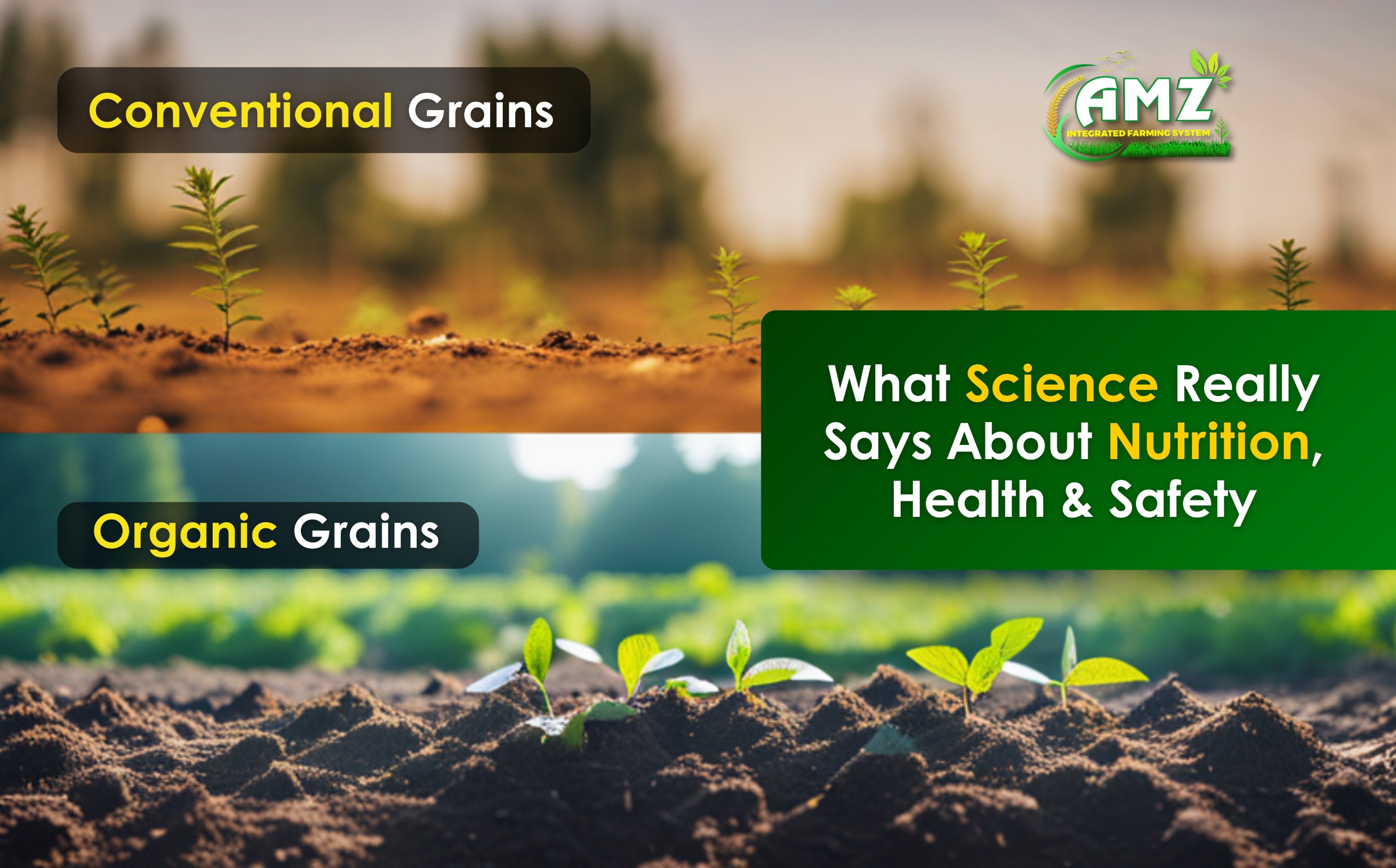
        The debate around Organic Grains vs Conventional Grains has become increasingly important as people grow more conscious about daily food choices. Staples like rice, millets, pulses, and wheat are consumed every day, so even small differences in quality can have long-term health effects.

        Many consumers now ask: Are organic grains truly healthier, or is the difference overstated?
        To answer this, we need to look at scientific evidence, not marketing claims. This article explores Organic Grains vs Conventional Grains by comparing nutrition, pesticide exposure, gut health, and sustainabilityโ€”helping you make an informed decision.

        What Are Organic Grains?

        Organic grains are grown using natural farming methods that avoid synthetic inputs and focus on soil health.

        Key Features of Organic Grains

        No synthetic pesticides or herbicides

        No chemical fertilizers

        Non-GMO seeds

        Natural compost and organic manure

        Crop rotation for soil balance

        In the Organic Grains vs Conventional Grains comparison, organic farming prioritizes long-term soil fertility, which directly impacts grain quality and safety.

        What Are Conventional Grains?

        Conventional grains are cultivated using modern industrial farming techniques designed to increase yield and speed up production.

        Common Conventional Farming Practices

        Chemical fertilizers for rapid growth

        Synthetic pesticides and fungicides

        Hybrid or chemically treated seeds

        While conventional grains are widely available and affordable, studies show they may carry chemical residues, making Organic Grains vs Conventional Grains a critical food-safety discussion.

        Organic Grains vs Conventional Grains โ€“ Nutritional Comparison

        Macronutrients and Minerals

        Scientific studies indicate that calories and protein levels are often similar in both types. However, when comparing Organic Grains vs Conventional Grains, organic options frequently show higher mineral availability, including:

        Iron

        Magnesium

        Zinc

        Phosphorus

        This advantage comes from biologically active soil that improves nutrient absorption naturally.

        Antioxidant Content

        Another key difference in Organic Grains vs Conventional Grains is antioxidant levels. Organic grains tend to contain more:

        Polyphenols

        Flavonoids

        These antioxidants help reduce inflammation, support immunity, and protect the body from oxidative stress. Plants grown organically develop stronger natural defense systems, which benefit human health.

        Pesticide Residues โ€“ A Scientific Concern

        One of the most important factors in the Organic Grains vs Conventional Grains debate is pesticide exposure.

        Conventional grains are more likely to contain pesticide residues

        Organic grains show significantly lower or near-zero synthetic residues

        Long-term exposure to pesticides has been linked to hormonal imbalance, neurological issues, and weakened immunity. This makes organic grains a safer choice for regular consumption.

        Impact on Gut Health

        Gut health plays a major role in digestion and overall well-being. Organic grains support a healthier gut because:

        Natural fiber structure remains intact

        No chemical interference with gut bacteria

        Better nutrient absorption

        In the Organic Grains vs Conventional Grains comparison, organic grains are often easier to digest and gentler on the stomach.

        Are Organic Grains Better for Children?

        Children are more vulnerable to chemical exposure due to their developing bodies.

        Why Organic Grains Are Safer for Kids

        Lower toxin intake per body weight

        Supports physical and cognitive development

        Strengthens immunity over time

        For families, choosing organic staples is a preventive health decision backed by science.

        Environmental Impact โ€“ Beyond Nutrition

        The Organic Grains vs Conventional Grains discussion goes beyond health and into sustainability.

        Environmental Benefits of Organic Farming

        Improves soil fertility

        Protects biodiversity

        Reduces water pollution

        Supports small-scale farmers

        Healthier ecosystems produce healthier food, creating a sustainable food system for future generations.

        Cost vs Value โ€“ Are Organic Grains Worth It?

        Organic grains may cost more initially, but they offer greater long-term value:

        Reduced health risks

        Cleaner daily nutrition

        Ethical and transparent sourcing

        Environmental responsibility

        From a long-term perspective, organic grains are an investment in health, not an expense.

        Why AMZ Farms Supports Organic Farming

        At AMZ Farms, organic farming is chosen for one simple reasonโ€”trust in clean food. By following a farm-to-table approach, AMZ Farms delivers chemical-free grains sourced directly from farmers who follow traditional and sustainable practices.

        This commitment ensures purity, safety, and nutritional integrity in every grain.

        Final Verdict โ€“ What Science Confirms

        Organic Grains

        โœ” Lower pesticide residues
        โœ” Higher antioxidants
        โœ” Better mineral absorption
        โœ” Safer for long-term consumption
        โœ” Environmentally sustainable

        Conventional Grains

        โœ” Lower upfront cost
        โœ– Possible chemical exposure
        โœ– Environmental concerns

        Science consistently supports organic farming as the safer and more sustainable choice.

        Conclusion

        The comparison of Organic Grains vs Conventional Grains makes one thing clearโ€”organic grains offer cleaner nutrition, better safety, and long-term health benefits. Backed by science and supported by sustainable practices, organic grains are not a trend but a smarter lifestyle choice.

        By choosing trusted sources like AMZ Farms, consumers can enjoy pure, farm-fresh grains while supporting ethical farming and a healthier future ๐ŸŒพ

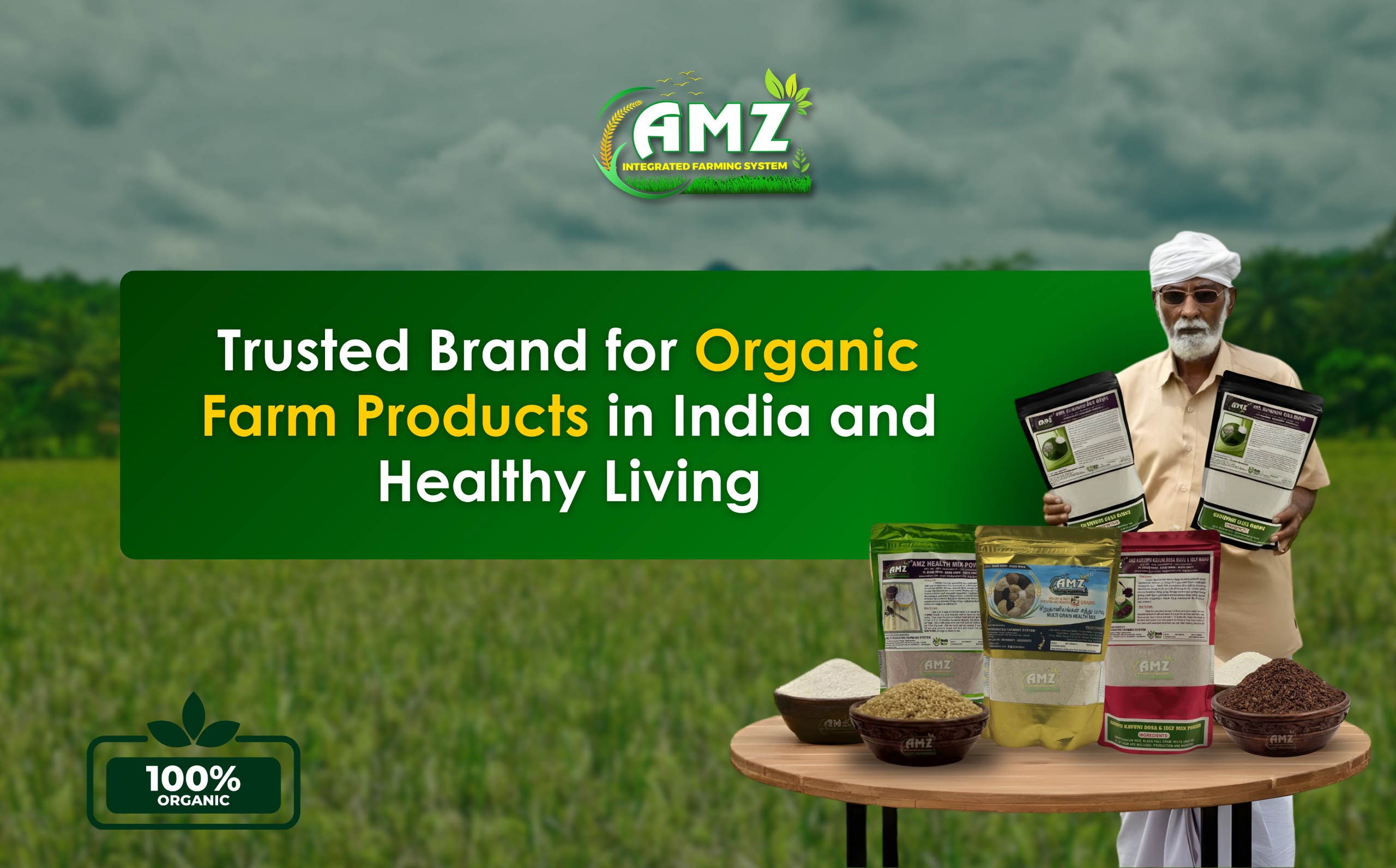
        • AMZ Farms โ€“ Trusted Brand for Organic Farm Products in India and Healthy Living

          AMZ Farms โ€“ Trusted Brand for Organic Farm Products in India and Healthy Living

          AMZ Farms โ€“ Trusted Brand for Organic Farm Products in India and Healthy Living

          In recent years, the demand for organic farm products in india has increased significantly due to rising health awareness and environmental concerns. Consumers are shifting from chemical-based foods to natural and sustainable alternatives. One of the leading initiatives promoting organic agriculture is AMZ Farms, which focuses on delivering pure and nutritious food directly from farmers to consumers.

          What Are Organic Farm Products?

          Organic foods are grown without synthetic fertilizers, pesticides, or genetically modified organisms. These products are cultivated using traditional and eco-friendly farming practices that maintain soil fertility and biodiversity.

          The popularity of organic farm products in india is growing because people want safer food, better nutrition, and a sustainable lifestyle.

          About AMZ Farms

          AMZ Farms is an integrated organic farming initiative based in Tamil Nadu, India. The organization is dedicated to promoting sustainable agriculture, preserving native seeds, and providing chemical-free food products.

          The core philosophy of AMZ Farms is to encourage people to adopt natural diets and support farmers who practice organic cultivation.

          Mission and Vision

          Mission

          The mission of AMZ Farms is to revive traditional farming practices and provide high-quality organic food to households across India. The initiative also aims to empower farmers through training and fair pricing models.

          Vision

          The vision is to create a sustainable ecosystem that connects farmers and consumers while promoting environmental protection and healthy living.

          Organic Farming Practices

          Integrated Organic Farming System

          AMZ Farms follows an integrated farming approach that combines traditional knowledge with modern sustainable techniques to ensure long-term agricultural productivity.

          Key Practices Include:

          Natural compost and organic fertilizers

          Crop rotation and mixed cropping

          Biological pest control

          Seed preservation and biodiversity conservation

          Efficient water management systems

          These practices help improve soil health and ensure the production of organic farm products in india that are safe and nutritious.

          Products Offered

          Organic Millets and Cereals

          AMZ Farms cultivates a wide range of millets such as ragi, foxtail millet, little millet, barnyard millet, and kodo millet. These grains are rich in fiber, minerals, and antioxidants.

          Traditional Rice Varieties

          The initiative promotes heritage rice varieties grown organically, known for their unique taste and health benefits.

          Pulses and Grains

          Organic pulses and grains are sourced directly from farmers, ensuring freshness and high nutritional value.

          Organic Flours and Health Mixes

          Flours and health mixes made from millets and grains are processed naturally to retain nutrients.

          Benefits of Organic Farm Products

          Health Benefits

          Consuming organic farm products in india reduces exposure to harmful chemicals and improves overall health. Organic foods are known to enhance digestion, boost immunity, and support heart health.

          Environmental Benefits

          Organic farming protects soil fertility, reduces water pollution, and promotes biodiversity. It also helps in reducing carbon emissions and climate change impact.

          Economic Benefits

          Supporting organic farmers ensures fair income, encourages rural employment, and strengthens local agricultural communities.

          Why Choose AMZ Farms Products?

          Chemical-Free and Natural

          AMZ Farms ensures that all products are grown without synthetic chemicals, making them safe for daily consumption.

          Direct Farm-to-Consumer Model

          The brand connects farmers directly with consumers, ensuring freshness, transparency, and fair pricing.

          High Nutritional Value

          Organic grains and millets are rich in essential nutrients, making them ideal for children, adults, and elderly people.

          Sustainable and Eco-Friendly

          By choosing AMZ Farms, consumers contribute to sustainable agriculture and environmental conservation.

          Growth of Organic Farming in India

          The demand for organic farm products in india is increasing due to lifestyle changes and rising health awareness. States like Tamil Nadu, Kerala, Karnataka, and Rajasthan are leading in organic cultivation. Government initiatives and private organizations are also promoting organic certification and farmer training programs.

          Future of Organic Farming and AMZ Farms

          The future of organic farm products in india looks promising as more consumers prefer natural and sustainable food options. AMZ Farms is expected to expand its product range and reach more customers across India, strengthening the organic food supply chain.

          Conclusion

          Choosing organic farm products in india is a smart decision for health, environment, and sustainability. Organic foods are nutritious, chemical-free, and environmentally friendly.

          AMZ Farms plays a crucial role in promoting organic agriculture and delivering high-quality products directly from farmers. By choosing organic food, you support farmers, protect the environment, and ensure a healthier future for your family.